
Discover Sri Lanka
Nestled in the turquoise waters of the Indian Ocean, Sri Lanka stands as one of Asia’s most captivating yet underrated travel destinations. Often overshadowed by its larger neighbor India and the beach paradises of Southeast Asia, this teardrop-shaped island offers an extraordinary blend of pristine beaches, ancient heritage, lush landscapes, and warm hospitality that rivals any destination on Earth.
Whether you’re a culture enthusiast, nature lover, adventure seeker, or beach bum, Sri Lanka delivers an unforgettable experience—all within a compact area roughly the size of Ireland. Here’s everything you need to know to plan your perfect Sri Lankan adventure.
Where is Sri Lanka? Understanding the Geography
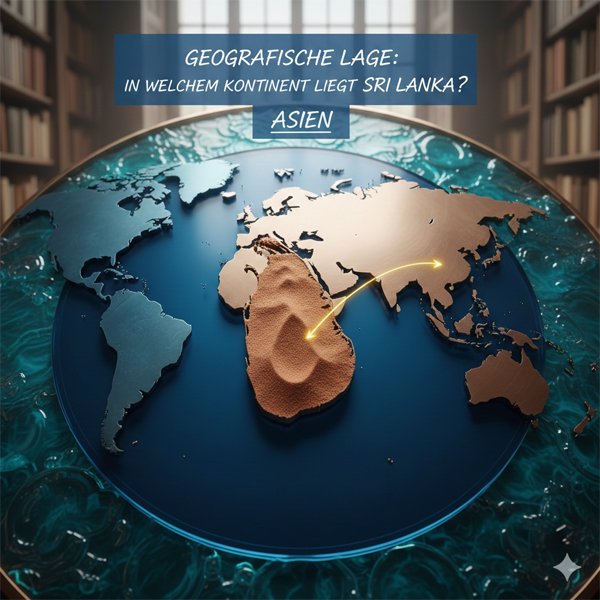
Before diving into what makes Sri Lanka special, let’s answer the fundamental question: Where exactly is Sri Lanka?
Sri Lanka is located in South Asia, positioned in the Indian Ocean just 31 kilometers southeast of India’s southern tip. The island sits between 5° and 10° north latitude and 79° to 82° east longitude, placing it firmly in the tropics but north of the equator.
Key Geographic Facts:
- Size: 65,610 km² (about the size of Bavaria or Ireland)
- Length: 445 kilometers (north to south)
- Width: 225 kilometers (east to west)
- Coastline: 1,340 kilometers of stunning beaches
- Highest Point: Pidurutalagala (2,524 meters)
The island’s strategic location has made it a crucial trading hub throughout history, attracting Portuguese, Dutch, and British colonizers who have all left their mark on the island’s culture and architecture.
Getting to Sri Lanka: Visa and Entry Requirements
Visa Requirements
All international visitors, including those from the US, UK, EU, and most other countries, require a visa to enter Sri Lanka. Fortunately, the process is straightforward and can be completed entirely online.
Electronic Travel Authorization (ETA):
- Cost: $50 USD for tourists
- Validity: 30 days from entry, valid for 180 days from issue date
- Application: Apply online at www.eta.gov.lk
- Processing Time: Typically 24-48 hours (sometimes within hours)
- Children: Free for those under 12 years old
Important Tips:
- Apply at least 7 days before your departure
- Ensure your passport is valid for at least 6 months beyond your entry date
- Beware of third-party websites charging inflated fees ($70-150)
- Print your ETA confirmation and keep it with your passport
- Extensions available in Colombo for up to 6 months
What You’ll Need:
- Valid passport
- Return or onward ticket
- Proof of accommodation
- Sufficient funds for your stay
- Credit card for payment
For a hassle-free experience and expert guidance throughout your Sri Lankan journey, consider partnering with DS Travels Sri Lanka (https://dstravelsrilanka.com/). Their local expertise ensures smooth travel from visa assistance to customized tours across the island.
When to Visit: Best Time for Your Sri Lanka Adventure
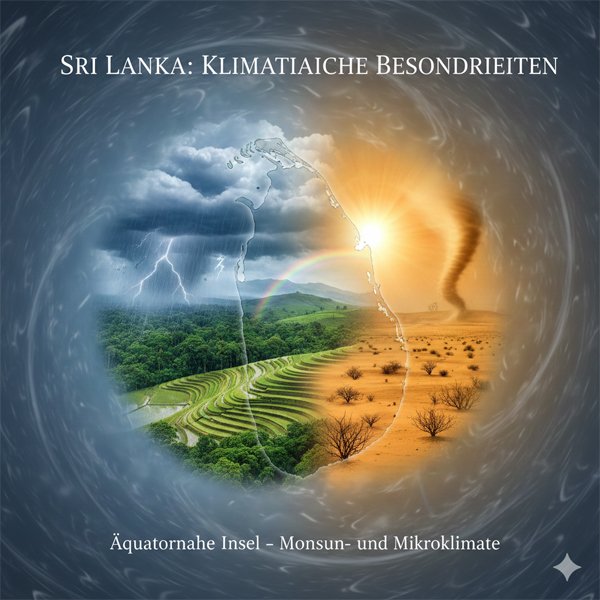
Sri Lanka’s tropical location and dual monsoon system mean that somewhere on the island enjoys good weather year-round. However, timing matters depending on which regions you want to explore.
West and South Coast (November to April)
This is peak season for beach lovers heading to popular coastal destinations:
- Best for: Colombo, Bentota, Hikkaduwa, Galle, Unawatuna, Mirissa, Tangalle
- Weather: Dry, sunny, 28-32°C
- Perfect for: Beach holidays, whale watching (Mirissa), cultural triangle tours
East Coast (April to September)
When the west coast experiences monsoons, the east coast shines:
- Best for: Trincomalee, Nilaveli, Arugam Bay
- Weather: Calm seas, perfect beach conditions
- Perfect for: Surfing, diving, secluded beach experiences
Central Highlands (Year-round, best January-March)
The hill country maintains cooler temperatures throughout the year:
- Best for: Kandy, Nuwara Eliya, Ella
- Weather: Cool (15-20°C), occasional rain October-January
- Perfect for: Tea plantation visits, hiking, scenic train journeys
Pro Tip: Sri Lanka’s compact size allows you to chase the sun. During monsoon transitions (April-May, October-November), you can combine regions for optimal weather.
Exploring Sri Lanka’s Regions: A Geographic Overview
Understanding Sri Lanka’s layout is essential for planning your route. Let’s explore the island region by region.
Colombo – The Gateway Capital
Colombo, Sri Lanka’s bustling capital and commercial hub, is where most journeys begin. While officially Sri Jayawardenepura Kotte serves as the administrative capital, Colombo remains the de facto capital in every practical sense.
Must-See Attractions:
- Galle Face Green: Oceanfront promenade perfect for sunset strolls and street food
- Gangaramaya Temple: Stunning Buddhist temple with eclectic architecture
- Pettah Market: Chaotic, colorful bazaar offering authentic local life
- National Museum: Sri Lanka’s largest museum showcasing the island’s rich history
- Jami Ul-Alfar Mosque: Iconic red-and-white striped mosque
- Lotus Tower: South Asia’s tallest structure with panoramic views
- Fort District: Colonial-era buildings and the Old Parliament
Where to Stay:
- Luxury: Galle Face Hotel, Shangri-La Colombo, Cinnamon Grand
- Mid-range: Jetwing Colombo Seven, The Kingsbury
- Budget: Clock Inn, numerous hostels in Slave Island
Dining Highlights:
- Ministry of Crab (world-famous crab dishes)
- Upali’s by Nawaloka (authentic Sri Lankan cuisine)
- Park Street Mews (trendy restaurant strip)
Most travelers spend 1-2 days in Colombo, using it as an entry/exit point. However, the city deserves more time if you want to explore its colonial heritage, modern developments, and vibrant food scene.
The Cultural Triangle – Ancient Wonders
The Cultural Triangle in north-central Sri Lanka contains the island’s most significant archaeological treasures.
Sigiriya – The Lion Rock: This 200-meter-high rock fortress is Sri Lanka’s most iconic sight. The ancient palace ruins atop the rock, stunning frescoes, and panoramic views make the challenging climb worthwhile. Arrive early (6 AM) to beat the heat and crowds.
Anuradhapura: Sri Lanka’s ancient capital for over 1,400 years features massive dagobas (Buddhist stupas), the sacred Sri Maha Bodhi tree (grown from Buddha’s original Bodhi tree), and extensive ruins of monasteries and palaces.
Polonnaruwa: The medieval capital showcases well-preserved ruins including the Gal Vihara’s magnificent rock-carved Buddha statues. Explore by bicycle for an authentic experience.
Dambulla Cave Temple: Five cave temples filled with Buddha statues and ancient murals, offering a spiritual journey through Sri Lankan Buddhism.
Suggested Itinerary (3-4 days):
- Day 1: Dambulla → Sigiriya (climb in afternoon or following morning)
- Day 2: Sigiriya → Polonnaruwa → return to Sigiriya
- Day 3: Minneriya National Park safari → travel to Kandy
The Hill Country – Tea Plantations and Scenic Railways
The central highlands offer a complete contrast to the coastal plains, with cooler climate, rolling tea plantations, and some of the world’s most scenic train journeys.
Kandy: Sri Lanka’s cultural capital and last royal kingdom houses the Temple of the Sacred Tooth Relic, Buddhism’s most important shrine in Sri Lanka. The city’s lake, botanical gardens, and traditional Kandyan dance performances make it a must-visit.
Nuwara Eliya: Known as “Little England,” this hill station at 1,900 meters elevation features colonial-era architecture, sprawling tea estates, and cool mountain air. Visit tea factories to learn about Ceylon tea production.
Ella: A backpacker haven nestled in the mountains, Ella offers:
- Little Adam’s Peak: Easy sunrise hike with spectacular views
- Nine Arch Bridge: Iconic railway bridge perfect for photography
- Ella Rock: Challenging trek through tea plantations
- Ravana Falls: Beautiful waterfall near town
The Legendary Train Journey: The Kandy to Ella train ride ranks among the world’s most beautiful rail journeys. Book second-class reserved seats in advance for the best views. The route winds through tea plantations, mountain tunnels, and misty valleys—don’t miss it!
Adam’s Peak (Sri Pada): This sacred mountain (2,243m) attracts pilgrims from December to May who climb overnight to witness sunrise from the summit. The 5,500-step ascent takes 3-4 hours.
South Coast – Beaches and Colonial Charm
The south coast offers Sri Lanka’s most developed beach scene combined with historic Galle Fort.
Galle: This UNESCO World Heritage Site features a perfectly preserved Dutch colonial fort with cobblestone streets, boutique shops, cafes, and rampart walks offering ocean views. Galle is a highlight of any Sri Lanka trip.
Unawatuna: Crescent-shaped beach perfect for swimming, snorkeling, and nightlife. One of Sri Lanka’s most popular beach destinations.
Mirissa: Laid-back surf town famous for:
- Whale watching tours (November-April): See blue whales and dolphins
- Beach bars and sunset views
- Surfing and relaxation
Tangalle: Quieter alternative with beautiful, less-crowded beaches ideal for those seeking tranquility.
Weligama: Perfect for beginner surfers with gentle waves and numerous surf schools.
East Coast – Unspoiled Paradise
The east coast remained isolated during Sri Lanka’s civil war but has emerged as a pristine alternative to the developed south coast.
Arugam Bay: World-class surf destination (April-October) with consistent waves and bohemian atmosphere. “Arugam” is a pilgrimage for surfers worldwide.
Trincomalee: Natural harbor with stunning beaches:
- Nilaveli Beach: Powder-white sand and calm waters
- Uppuveli Beach: Great for swimming and snorkeling
- Pigeon Island: Marine national park perfect for diving
Northern Province – The Road Less Traveled
The north, centered around Jaffna, offers unique Tamil culture and recent post-war development.
Jaffna: Tamil cultural capital with:
- Nallur Kandaswamy Temple (important Hindu temple)
- Jaffna Fort (Portuguese/Dutch colonial fort)
- Jaffna Islands (accessible by boat)
- Unique cuisine distinct from southern Sri Lanka
Wildlife and Nature: Safari Adventures
Sri Lanka boasts incredible biodiversity with one of the highest rates of biological endemism in the world.
National Parks
Yala National Park:
- Famous for: Highest leopard density globally
- Also see: Elephants, sloth bears, crocodiles, 200+ bird species
- Best time: February-July (dry season)
- Tip: Book afternoon safaris when leopards are most active
Udawalawe National Park:
- Famous for: Large elephant herds
- Best for: Guaranteed elephant sightings
- Visit: Elephant Transit Home (ethical orphanage nearby)
Minneriya National Park:
- Famous for: “The Gathering” (hundreds of elephants, July-September)
- Also see: Diverse birdlife, other mammals
- Location: Near cultural triangle, easy to combine
Wilpattu National Park:
- Famous for: Leopards, pristine wilderness
- Advantage: Less crowded than Yala
- Landscape: Unique “willus” (natural lakes)
Sinharaja Rainforest:
- UNESCO World Heritage Site
- Biodiversity hotspot: Over 50% endemic species
- Activity: Guided treks, birdwatching
- Best for: Nature enthusiasts, photographers
Horton Plains:
- Highlight: World’s End (870m sheer cliff)
- Landscape: Montane grasslands
- Wildlife: Sambar deer, purple-faced langurs
- Activity: Morning hikes (mist clears by 10 AM)
Whale Watching
Mirissa and Trincomalee offer some of the world’s best whale-watching opportunities (November-April). Blue whales, sperm whales, and various dolphin species are frequently spotted.
Sri Lankan Cuisine: A Feast for the Senses
Sri Lankan food is one of Asia’s most underrated cuisines—complex, flavorful, and distinct from Indian food despite similarities.
Must-Try Dishes
Rice and Curry: The national dish consists of rice served with multiple curries (vegetable, lentil, fish, or meat), sambols (coconut relish), and papadums. Every meal is different, and the variety is astounding.
Kottu Roti: Chopped roti stir-fried with vegetables, egg, and optional meat on a hot griddle. The rhythmic clanging of metal blades chopping is a familiar street sound.
Hoppers (Appa): Bowl-shaped pancakes made from fermented rice flour, often with an egg in the center. String hoppers (steamed rice noodles) are another breakfast staple.
Lamprais: Dutch Burgher dish of rice, meat curry, seeni sambol, and boiled egg wrapped and baked in banana leaf.
Seafood: Fresh crab, prawns, and fish prepared with coconut milk and spices. Try crab curry or deviled prawns.
Tropical Fruits: Mangoes, papayas, pineapples, rambutans, mangostan, wood apples, and king coconuts (thambili) for refreshing coconut water.
Ceylon Tea: Sample world-famous Ceylon tea at its source. Visit tea factories in Nuwara Eliya or Ella for tastings and tours.
Where to Eat
Colombo: Ministry of Crab, Upali’s, Nuga Gama Galle: Pedlar’s Inn Cafe, The Heritage Cafe Everywhere: Local “rice and curry” restaurants (look for “hotel” signs) Street Food: Galle Face Green vendors, any market area
Budget Tip: Local restaurants serve massive rice and curry spreads for $2-5, while tourist restaurants charge $8-15 for less food.
Practical Travel Information
Getting Around
Private Driver: Most comfortable option ($50-70/day including vehicle and driver). Drivers double as guides and know the roads well. DS Travels Sri Lanka (https://dstravelsrilanka.com/) offers reliable driver services with experienced, English-speaking drivers.
Trains: Scenic and affordable, especially the Kandy-Ella route. Book reserved seats in advance for popular routes.
Buses: Cheapest option but crowded and chaotic. Express buses are more comfortable for long distances.
Tuk-Tuks: Perfect for short distances. Use PickMe app (Sri Lankan Uber) for fair prices, or negotiate before riding.
Rental Car: Not recommended unless you’re comfortable with chaotic traffic and left-side driving.
Budget Guide
Budget Traveler: $25-40/day
- Guesthouses: $10-20
- Local food: $2-5 per meal
- Buses for transport
- Hostel dorms: $5-10
Mid-Range Traveler: $80-120/day
- Hotels: $40-80
- Mix of local and tourist restaurants
- Private driver or mix of trains/taxis
- Activities and entrance fees
Luxury Traveler: $200+/day
- Resort hotels: $150+
- Fine dining
- Private tours and drivers
- Spa treatments and exclusive experiences
Health and Safety
Vaccinations: Hepatitis A and B, Typhus recommended. Malaria risk is low, but dengue fever occurs (use mosquito repellent).
Water: Drink only bottled water. Avoid ice in rural areas.
Safety: Sri Lanka is very safe for tourists. Petty theft can occur in crowded areas—use common sense.
Insurance: Comprehensive travel insurance including medical evacuation is essential.
Connectivity
SIM Cards: Purchase at the airport (Dialog or Mobitel) for cheap data. 10GB costs about $5-10.
WiFi: Available in most hotels and many restaurants.
Cultural Etiquette
Temple Visits:
- Remove shoes and hats
- Cover shoulders and knees
- Don’t pose with your back to Buddha statues (illegal and disrespectful)
- Ask permission before photographing monks
General:
- Dress modestly, especially outside beach areas
- Public displays of affection are frowned upon
- The head is sacred—don’t touch anyone’s head
- Use right hand for eating and giving/receiving items
Suggested Itineraries
Classic 10-Day Route
Day 1-2: Arrive Colombo, explore capital Day 3-4: Cultural Triangle (Sigiriya, Polonnaruwa, Dambulla) Day 5: Minneriya safari, transfer to Kandy Day 6: Kandy sightseeing Day 7-8: Train to Ella, explore hill country Day 9: Yala National Park safari Day 10: South coast beaches (Mirissa or Unawatuna)
Beach & Culture Mix (14 Days)
Follow the 10-day route above, then add: Day 11-13: South coast (Galle, Mirissa, Unawatuna) Day 14: Return to Colombo for departure
Adventure & Wildlife (14 Days)
Day 1-2: Colombo Day 3-5: Cultural Triangle + Minneriya Day 6-7: Kandy Day 8-10: Ella (hiking, Nine Arch Bridge) Day 11: Yala safari Day 12: Udawalawe safari Day 13: Sinharaja rainforest Day 14: Return to Colombo
Off-the-Beaten-Path (2-3 Weeks)
Include the above highlights plus:
- Jaffna (northern culture)
- Trincomalee (east coast)
- Arugam Bay (surfing)
- Knuckles Mountain Range (hiking)
- Adam’s Peak pilgrimage (season dependent)
Sustainable and Responsible Travel
Support Local Communities
- Stay in family-run guesthouses
- Buy handicrafts directly from artisans
- Eat at local restaurants
- Use local guides
Wildlife Ethics
Avoid:
- Elephant rides (cruel training methods)
- Animal shows with performing elephants
- Feeding wild animals
Support:
- Ethical sanctuaries (Elephant Transit Home, Udawalawe)
- Responsible safari operators
- Marine conservation programs
Environmental Responsibility
- Carry reusable water bottle
- Refuse plastic bags and straws
- Take trash with you on hikes
- Respect wildlife viewing distances
- Don’t touch coral while snorkeling
Why Choose DS Travels Sri Lanka
Planning a trip to a new country can be overwhelming, especially when trying to maximize your limited vacation time. This is where DS Travels Sri Lanka (https://dstravelsrilanka.com/) becomes invaluable.
What Sets DS Travels Apart:
Local Expertise: As Sri Lankan natives, their team knows hidden gems tourists never find on their own.
Customized Itineraries: Whether you have 7 days or 30, they design routes matching your interests, budget, and travel style.
Seamless Logistics: From airport pickup to hotel bookings, transport, and activity reservations, everything is handled professionally.
German-Speaking Guides Available: Perfect for German-speaking travelers who prefer guidance in their native language.
Fair Pricing: Transparent pricing with no hidden fees, offering better value than booking everything separately.
24/7 Support: Local team available throughout your journey for any issues or changes.
Sustainable Tourism: Commitment to responsible travel supporting local communities.
Services Offered:
- Custom tour packages (cultural, adventure, beach, wildlife combinations)
- Airport transfers and private transportation
- Hotel and accommodation booking
- Safari reservations in all national parks
- Train ticket booking assistance
- Culinary tours and cooking classes
- Photography tours
- Multi-day trekking adventures
- Special interest tours (tea, spices, textiles)
Whether you’re a solo traveler, couple, family, or group, DS Travels creates experiences that transform a good trip into an unforgettable journey.
Final Thoughts: Why Sri Lanka Should Be Your Next Destination
Sri Lanka remains one of Asia’s best-kept secrets, offering incredible diversity in a compact, accessible package. In two weeks, you can climb ancient rock fortresses, ride through misty tea plantations on colonial-era trains, spot leopards in the wild, surf world-class waves, explore spice markets, relax on pristine beaches, and savor some of the world’s most complex cuisine.
The island’s compact size means less time traveling between destinations and more time experiencing them. The warm hospitality of Sri Lankan people—whether Sinhalese, Tamil, Muslim, or Burgher—adds a special warmth to every interaction.
Unlike more developed Asian destinations now crowded with mass tourism, Sri Lanka retains authenticity. Yes, the infrastructure is improving and tourism is growing, but the island maintains its character, traditions, and natural beauty.
The best time to visit Sri Lanka is now—before it becomes the next overtouristed hotspot. The post-pandemic recovery has made services even better while keeping crowds manageable.
Whether you’re seeking adventure, relaxation, culture, wildlife, or simply an escape from the ordinary, Sri Lanka delivers beyond expectations. This teardrop-shaped island may be small on the map, but it’s enormous in experiences.
Start planning your Sri Lankan adventure today. With proper planning—and the expert guidance of local specialists like DS Travels Sri Lanka (https://dstravelsrilanka.com/)—you’ll discover why travelers consistently rank Sri Lanka among their favorite destinations worldwide.
The Pearl of the Indian Ocean awaits. Will you answer the call?
Ready to explore Sri Lanka? Contact DS Travels Sri Lanka at https://dstravelsrilanka.com/ for personalized itinerary planning, competitive pricing, and the peace of mind that comes with local expertise. Your Sri Lankan adventure begins here.